
August 2026: Last 10 Published Posts : Content for Approval
Prepared by Social Media Director
0
/ 10 posts approved
Click Approve on each post after reviewing. Mary will schedule once all are approved.
Review instructions: Read each post and click Approve to confirm it can go out as written. Once everything is approved, click the button above to hand off to Mary.
Week of August 17–23How trauma shows up in the body, in conflict, and in the fear of good things going well
When Your Body Keeps Score and You Cannot Find the Referee

IG ImageClose shot of a man's hand resting flat over his sternum, eyes closed or gaze lowered, a posture of attention, not alarm. Olive Branch background with Parchment Light texture, a single thin line of Soft Gold Thread suggesting the body as something worth listening to rather than fixing.
Facebook
Third specialist this year. Fourth round of bloodwork that came back "mostly normal." You drove home with the same knot in your stomach: something is wrong, and nobody can quite name it.
If you carry unprocessed trauma, your body may be trying to tell a story your mind has not found words for yet. Fatigue that will not lift. Inflammation that flares without warning. Gut issues with a mind of their own. These are not signs of weakness; they may be the loudest voice in a conversation you did not know your body was having.
Your nervous system was never built to run at full alert forever. When trauma from childhood, combat, betrayal, or years of quiet survival goes unprocessed, your body adapts in ways that eventually cost you. Immune system. Hormones. Sleep. Digestion. This is not "all in your head." It is deeply physiological.
For most men, the instinct is to fix what's broken. But your body is not a problem to solve. It is a story to listen to.
"Don't you realize that your body is the temple of the Holy Spirit, who lives in you and was given to you by God? You do not belong to yourself." (1 Corinthians 6:19, NLT)
What if honoring your body as a temple means listening to it, not just disciplining it?
If you have been living with unexplained symptoms and you also carry a story of trauma: you are not broken. Your body has been carrying a load it was never meant to carry alone.
Read the full post for a different way to think about what your body has been trying to tell you.
reclaimingshalom.com/articles/when-your-body-keeps-score-and-you-cannot-find-the-referee/
Instagram
Third specialist this year. Bloodwork that keeps coming back "mostly normal." You drive home with the same knot in your stomach: something is wrong, and nobody can name it.
If you carry unprocessed trauma, your body may be telling a story your mind hasn't found words for. Fatigue that won't lift. Inflammation that flares without warning. Gut issues with a mind of their own.
This isn't weakness. It's physiology. Your nervous system was never built to run at full alert forever.
Your body is not a problem to solve. It is a story to listen to.
Read the full post, link in bio.
#reclaimingshalom #traumaandthebody #menshealth #storycoaching #traumarecovery
YouTube Community
New post: "When Your Body Keeps Score and You Cannot Find the Referee"
If you've been to specialist after specialist and nobody can name what's wrong, I want you to consider something. Your body might be carrying a story your mind hasn't found words for yet.
Fatigue, inflammation, gut trouble. These aren't always separate from your history. Sometimes they're the loudest voice in a conversation you didn't know was happening.
I wrote this for the man who's tired of being told it's "mostly normal." Read it, and let me know if it names something for you. → https://reclaimingshalom.com/articles/when-your-body-keeps-score-and-you-cannot-find-the-referee/
X (Twitter)
Your body is not betraying you. It's doing exactly what it learned to do when staying safe became more important than staying well.
Bluesky
Fourth round of bloodwork. "Mostly normal." Same knot in your stomach.
Your body is not betraying you. It's doing exactly what it learned to do when staying safe became more important than staying well.
Read the full post at https://reclaimingshalom.com/articles/when-your-body-keeps-score-and-you-cannot-find-the-referee/
Google Business
Do you carry unexplained fatigue, inflammation, or digestive trouble alongside a history of trauma? You are not broken, and your body is not your enemy.
Our latest article explores the physiological connection between unprocessed trauma and chronic physical symptoms in men, and what it means to listen to your body instead of only trying to fix it.
Read "When Your Body Keeps Score and You Cannot Find the Referee" on our website.
Book a story coaching session to explore the connection between your health and your story.
Why You Leave the Room Before the Fight Starts
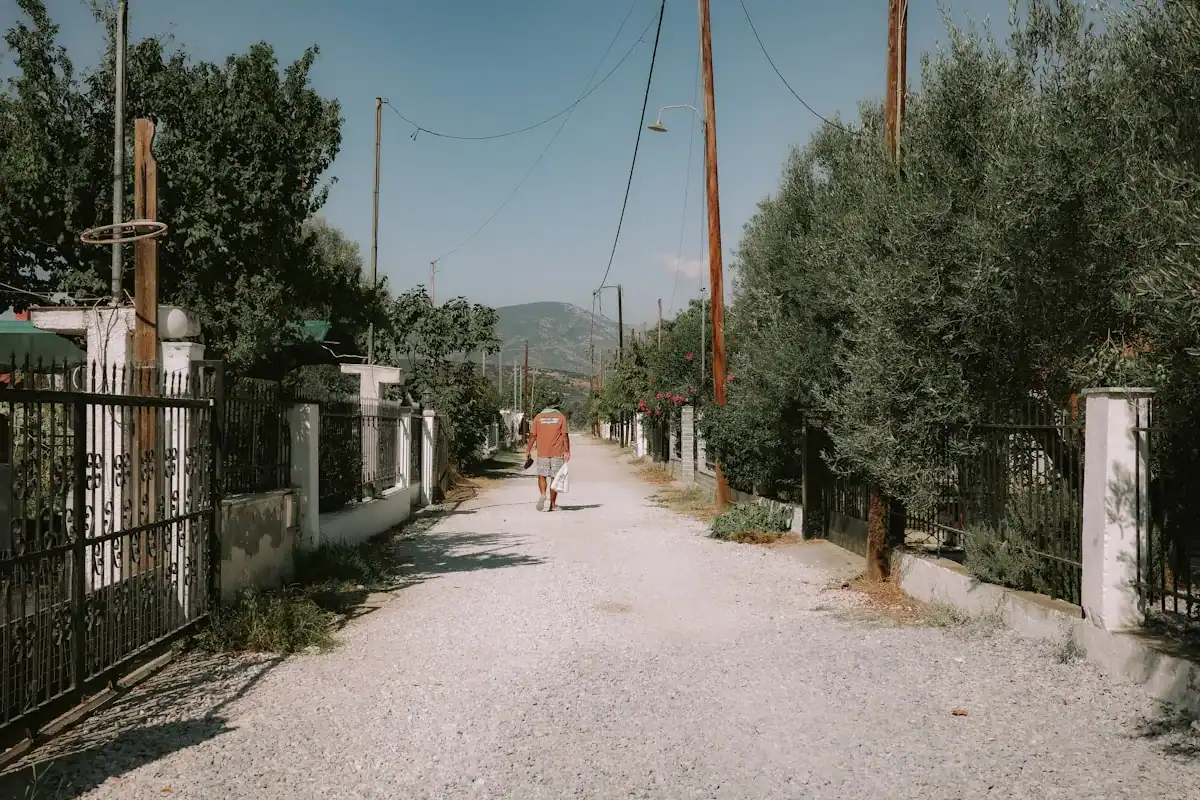
IG ImageA man's hand on a doorknob, body half-turned away from a softly lit room behind him. Shalom Deep Teal shadows in the foreground, Parchment Light glow from the room he's leaving. Mood: caught between leaving and staying.
Facebook
The argument hasn't even started yet, but you already know how this ends. Your chest tightens. Your jaw locks. And somewhere between the first raised voice and your next breath, you are gone, not always physically, but gone.
You might call it keeping the peace. Other people call it avoidance. But what if the way you leave conflict isn't a personality flaw? What if it's something your body learned to do a long time ago, when staying meant getting hurt?
Maybe it was a father whose anger was unpredictable. Maybe silence was the only safe response in your house. Your nervous system built a map where tension equals threat, and the safest move is to disappear before things escalate. That map may have saved your life once. Now it might be costing you the relationships you actually want.
"A gentle answer deflects anger, but harsh words make tempers flare." (Proverbs 15:1, NLT)
Notice what that verse assumes: the man is still in the room. A gentle answer requires presence.
Healing doesn't mean becoming someone who loves confrontation. It means slowly building the capacity to stay present when things get uncomfortable. You might start by naming it to yourself: "My chest is tightening. I want to leave." That small act of awareness creates a gap between the old reflex and a new choice.
Read the full post to understand what staying, even thirty seconds longer, can build.
reclaimingshalom.com/articles/why-you-leave-the-room-before-the-fight-starts/
Instagram
The argument hasn't started yet, but you already know how this ends. Chest tight. Jaw locked. And somewhere between the first raised voice and your next breath, you're gone.
You might call it keeping the peace. It might actually be something your body learned a long time ago, when staying in the room meant getting hurt.
That map may have saved you once. Now it might be costing you the relationships you actually want.
You don't have to become a man who loves confrontation. You just have to learn to stay present a little longer than your body wants to.
Read the full post, link in bio.
#reclaimingshalom #conflictavoidance #traumaresponse #menandemotions #storycoaching
YouTube Community
New post: "Why You Leave the Room Before the Fight Starts"
If your body checks out the second tension rises, if you go quiet, leave, or shut down before a conversation even gets hard, that's not a character flaw. It's a survival map your nervous system built a long time ago.
I write about what it takes to stay present without losing yourself, and why "I'm not shutting you out, my body is telling me to run" might be the most honest thing you say to someone you love this week.
Read it → https://reclaimingshalom.com/articles/why-you-leave-the-room-before-the-fight-starts/
X (Twitter)
You're not a coward. You're a man whose body remembers what happened the last time he stayed in the room.
Bluesky
The argument hasn't started, but you already know how this ends. Chest tight, jaw locked, and you're gone before the first raised voice finishes.
You're not a coward. You're a man whose body remembers what happened the last time he stayed in the room.
Read the full post at https://reclaimingshalom.com/articles/why-you-leave-the-room-before-the-fight-starts/
Google Business
Do you shut down or leave the room the moment tension rises, even in relationships you care about? This may not be a personality flaw. For many men, it's a survival response built long before adulthood, when staying present during conflict wasn't safe.
Our latest article explores how conflict avoidance gets built into a man's nervous system, and what it takes to learn to stay in the room without losing yourself.
Read "Why You Leave the Room Before the Fight Starts" on our website.
Book a story coaching session to explore your patterns around conflict.
Why Good News Makes You Brace for Impact
IG ImageA man's tense shoulders and back, seen from behind, holding a phone that presumably carries good news. Warm Clay Ember light in front of him contrasted with a hunched, guarded posture. Mood: bracing instead of receiving.
Facebook
The promotion came through. The test results were clear. She said yes. And instead of relief, something in your chest clenched. You found yourself scanning for the catch, bracing for the moment this good thing would be taken away.
If that sounds familiar, you're not ungrateful. You might be a man whose story taught him that good things don't last, and that letting yourself feel hope is the fastest way to get blindsided.
Was there a season in your childhood when something good was followed quickly by something terrible? A birthday that ended in a fight? A calm that shattered without warning? Your nervous system is remarkably efficient at pattern recognition. If good things were consistently followed by pain, your body learned to treat joy itself as a warning signal.
"Whatever is good and perfect is a gift coming down to us from God our Father... He never changes or casts a shifting shadow." (James 1:17, NLT)
Your body may need more than a verse to believe that. It may need new experiences of goodness, repeated enough times, that your nervous system begins to update its map.
You were not made to live braced for impact. The capacity for joy is not dead in you; it's buried under layers of protection that once kept you alive.
Read the full post to learn how to let good news actually land.
reclaimingshalom.com/articles/why-good-news-makes-you-brace-for-impact/
Instagram
The promotion came through. She said yes. The results were clear. And instead of relief, your chest clenched, scanning for the catch, bracing for the moment it gets taken away.
You're not ungrateful. You might be a man whose story taught him that good things don't last.
Your nervous system is efficient at pattern recognition. If good things were once followed by pain, your body learned to treat joy itself as a warning.
You were not made to live braced for impact. The capacity for joy isn't dead in you; it's buried under layers of protection that once kept you alive.
Read the full post, link in bio.
#reclaimingshalom #tracingjoy #traumahealing #menandtrauma #storycoaching
YouTube Community
New post: "Why Good News Makes You Brace for Impact"
Ever notice how you scan for the catch the second something good happens? A compliment, a promotion, a season of peace in your marriage, and instead of receiving it, you brace.
That's not pessimism. It's protection your body learned somewhere along the way. I wrote about the difference between optimism and letting good news actually land, and what it might take to let yourself feel it for ten seconds longer than feels comfortable.
Read it → https://reclaimingshalom.com/articles/why-good-news-makes-you-brace-for-impact/
X (Twitter)
You get good news and your body starts scanning for the catch. That's not ingratitude. It's a nervous system that learned joy could be a setup.
Bluesky
The promotion came through. She said yes. And instead of relief, your chest clenched, already scanning for the catch.
That's not ingratitude. It's a nervous system that learned somewhere along the way that joy could be a setup.
Read the full post at https://reclaimingshalom.com/articles/why-good-news-makes-you-brace-for-impact/
Google Business
Do you find yourself bracing for the worst even when good news arrives? Many men who carry unprocessed trauma learned early that good things don't last, and their nervous system now treats joy itself as a warning signal.
Our latest article explores why good news can feel more threatening than reassuring, and what it takes to begin letting it land.
Read "Why Good News Makes You Brace for Impact" on our website.
Book a story coaching session to explore your relationship with hope and receiving good things.
Why Recovery Feels Like a Threat After Medical Crisis
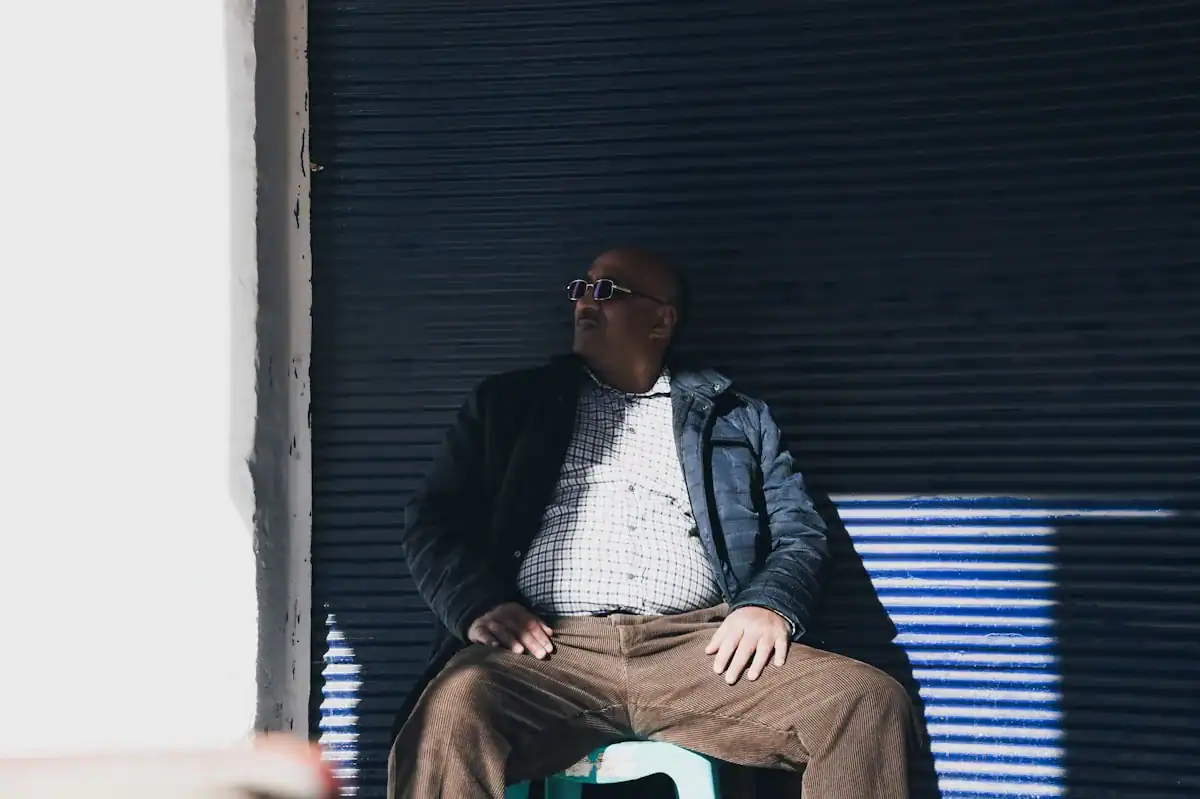
IG ImageA man sitting upright in a recovery chair or bed, restless rather than settled, hands gripping the armrest. Muted Shalom Deep Teal tones with soft window light. Mood: restlessness inside required stillness.
Facebook
The surgery went well. The doctors are optimistic. Everyone around you is relieved. And you are lying in bed, heart racing, unable to let yourself rest.
If you carry trauma, your body may not know the difference between resting and being vulnerable. Rest requires letting your guard down, trusting that you are safe, that someone else can handle things while you are still. For a man whose story taught him that letting his guard down led to pain, rest is not a gift. It is a gamble.
So you push through. You get back to work too early. You refuse help. You perform wellness before you have actually healed, because being seen as weak feels more dangerous than being in pain.
"He lets me rest in green meadows; he leads me beside peaceful streams. He renews my strength." (Psalm 23:2-3a, NLT)
Notice the verbs: he lets me rest, he leads me, he renews. Every one requires surrender, trusting that the shepherd is not leading you somewhere dangerous. For a man whose shepherds were unreliable, this is a confrontation with everything his body has learned to fear.
Healing from a medical hardship when you also carry trauma requires double patience: time for the physical event, and permission for your nervous system to slowly lower its defenses.
Rest, for a man like you, is not passive. It is one of the bravest things you can do.
Read the full post.
reclaimingshalom.com/articles/why-recovery-feels-like-a-threat-after-medical-crisis/
Instagram
The surgery went well. Everyone around you is relieved. And you're lying in bed, heart racing, unable to let yourself rest.
If you carry trauma, your body may not know the difference between resting and being vulnerable. Letting your guard down once led to pain. So rest doesn't feel like a gift. It feels like a gamble.
So you push through. You refuse help. You perform wellness before you've actually healed.
Rest, for a man like you, is not passive. It is one of the bravest things you can do.
Read the full post, link in bio.
#reclaimingshalom #restisbrave #traumahealing #menshealth #storycoaching
YouTube Community
New post: "Why Recovery Feels Like a Threat After Medical Crisis"
If you've ever pushed through recovery too fast, refused help, or felt your skin crawl at being cared for, I want you to hear this: that's not toughness. It might be a body that learned long ago that letting your guard down was dangerous.
I write about what it actually takes to rest when your nervous system doesn't trust the all-clear.
Read it → https://reclaimingshalom.com/articles/why-recovery-feels-like-a-threat-after-medical-crisis/
X (Twitter)
Nobody asks what a man is running from when he bounces back from surgery too fast. Sometimes the speed itself is the symptom.
Bluesky
The surgery went well. Everyone's relieved. And you're lying there, heart racing, unable to let yourself rest.
Rest requires letting your guard down. For a man whose guard once had to stay up to survive, rest isn't a gift; it's a gamble.
Read the full post at https://reclaimingshalom.com/articles/why-recovery-feels-like-a-threat-after-medical-crisis/
Google Business
Do you struggle to rest after illness or surgery, even when your doctor says it's time to heal? For men carrying unprocessed trauma, rest can feel dangerous rather than restorative, because it requires letting your guard down.
Our latest article explores the masculine pressure to bounce back quickly, and why real recovery sometimes requires a different kind of courage.
Read "Why Recovery Feels Like a Threat After Medical Crisis" on our website.
Book a story coaching session if resting has always felt harder than pushing through.
When You Only Know Full Throttle or Shutdown

IG ImageA single figure split across two halves of the frame, one side warm and intense in Clay Ember, one side flat and cool in Stone Ink, standing at the seam between them. Mood: two gears, no middle ground.
Facebook
You are either all in or completely out. Furious or flat. Running at a pace no one can match, or sitting in a chair unable to move. The people around you never know which version of you they're going to get. Neither do you.
If your emotional life seems to operate in only two gears, you're not unstable. You might be a man whose nervous system was shaped by experiences that never let him learn the middle ground.
A healthy nervous system moves fluidly between states. But when trauma is present, especially ongoing or early trauma, the nervous system loses its ability to modulate. It gets stuck in extremes: fight or flight, rage or numbness, hypervigilance or collapse. Not because you're choosing extremes, but because your body never learned that a space between them exists.
"The Lord is compassionate and merciful, slow to get angry, and filled with unfailing love." (Psalm 103:8, NLT)
Slow to get angry is not a rebuke. It's a description of a nervous system with the capacity to modulate, to feel the activation rising and choose a measured response.
The good news: the middle ground was never fully developed, but it can be built. You might start by learning to notice the early signs of escalation: the heat in your face, the clenching of your fists. These aren't failures. They're data.
Read the full post to understand what a different kind of strength looks like.
reclaimingshalom.com/articles/when-you-only-know-full-throttle-or-shutdown/
Instagram
All in or completely out. Furious or flat. Running at a pace no one can match, or unable to move. The people around you never know which version they're getting. Neither do you.
That's not instability. It might be a nervous system that never learned there's a middle ground.
Fight or flight. Rage or numbness. Hypervigilance or collapse. Not because you're choosing extremes, because your body never learned the space between them exists.
The middle ground was never fully built. But it can be built now.
Read the full post, link in bio.
#reclaimingshalom #nervoussystemhealing #emotionalregulation #menandtrauma #storycoaching
YouTube Community
New post: "When You Only Know Full Throttle or Shutdown"
If the people around you never know which version of you they're getting, furious or flat, all in or checked out, that's not instability. It might be a nervous system that never learned the middle ground exists.
I write about how trauma erases moderation, and the small, unflashy work of building the space between the extremes.
Read it → https://reclaimingshalom.com/articles/when-you-only-know-full-throttle-or-shutdown/
X (Twitter)
Fight or flight. Rage or numbness. The middle ground isn't gone; it was never built. And it can be.
Bluesky
All in or completely out. Furious or flat. The people around you never know which version they're getting. Neither do you.
That's not instability. It's a nervous system that never learned the middle ground exists, because it was never safe to find out.
Read the full post at https://reclaimingshalom.com/articles/when-you-only-know-full-throttle-or-shutdown/
Google Business
Do your emotions seem to operate in only two gears, all in or completely shut down? For men shaped by ongoing or early trauma, the nervous system often loses its ability to find the middle ground between extremes.
Our latest article explores why this happens and what it takes to build the moderate, steady space where most of life actually happens.
Read "When You Only Know Full Throttle or Shutdown" on our website.
Book a story coaching session to explore your patterns of emotional extremes.
When Hope Feels Like a Setup

IG ImageA man standing at a careful distance from an open doorway or horizon line, arms loosely crossed rather than reaching forward. Muted Olive Branch tones with a thin edge of Soft Gold Thread light at the horizon. Mood: guarded openness, not naive brightness.
Facebook
Someone asks what you're looking forward to, and the honest answer is: nothing. Not because your life is empty, but because looking forward feels reckless. You've learned that hope is the thing that sets you up for the fall, and you're tired of falling.
Every man who distrusts hope can point to the moment hope cost him something. Maybe you hoped your father would show up, and he didn't. Maybe you hoped your marriage would turn a corner, and it got worse. After enough of those experiences, something in you calculates the math: hoping hurts more than not hoping.
Part of what makes hope hard is that it gets confused with optimism. Optimism says everything will work out fine. Hope says something different: even if it doesn't work out fine, you are not alone, and the story is not over.
"For I know the plans I have for you," says the Lord. "They are plans for good and not for disaster, to give you a future and a hope." (Jeremiah 29:11, NLT)
That verse was spoken to a people in exile, not people whose lives were going well. Hope arrived not when things were good, but when things were at their worst.
You don't have to leap from cynicism to wide-eyed optimism. You might try what could be called guarded hope: a willingness to stay open to the possibility that something good could happen, without requiring certainty that it will.
Read the full post to understand what living near possibility actually looks like.
reclaimingshalom.com/articles/when-hope-feels-like-a-setup/
Instagram
Someone asks what you're looking forward to, and the honest answer is: nothing. Not because your life is empty, because looking forward feels reckless.
Hope has cost you before. So something in you calculated the math: hoping hurts more than not hoping.
But hope isn't optimism. Optimism says everything will work out fine. Hope says even if it doesn't, you are not alone, and the story isn't over.
You don't have to leap to wide-eyed optimism. Try guarded hope: staying open to the possibility of something good, without needing certainty that it's coming.
Read the full post, link in bio.
#reclaimingshalom #guardedhope #traumahealing #menandfaith #storycoaching
YouTube Community
New post: "When Hope Feels Like a Setup"
If hoping for something feels riskier than not hoping at all, you're not being negative. You're a man who's done the math: hope has cost you before.
I write about the difference between optimism and hope, and what "guarded hope" might look like for a man who's been burned by expecting things to get better.
Read it → https://reclaimingshalom.com/articles/when-hope-feels-like-a-setup/
X (Twitter)
Cynicism is cheaper than disappointment. But it also costs you the ability to be moved.
Bluesky
Someone asks what you're looking forward to. The honest answer is nothing, not because your life is empty, but because hoping has cost you before.
Optimism says it'll work out fine. Hope says even if it doesn't, you're not alone and the story isn't over.
Read the full post at https://reclaimingshalom.com/articles/when-hope-feels-like-a-setup/
Google Business
Does hoping for something good feel riskier than expecting the worst? For many men, hope has been costly before, and cynicism starts to feel safer than disappointment.
Our latest article explores the difference between optimism and biblical hope, and introduces the idea of "guarded hope" for men who've been burned by expecting things to get better.
Read "When Hope Feels Like a Setup" on our website.
Book a story coaching session to explore what's shaping your relationship with hope.
Why Kindness Makes You Flinch
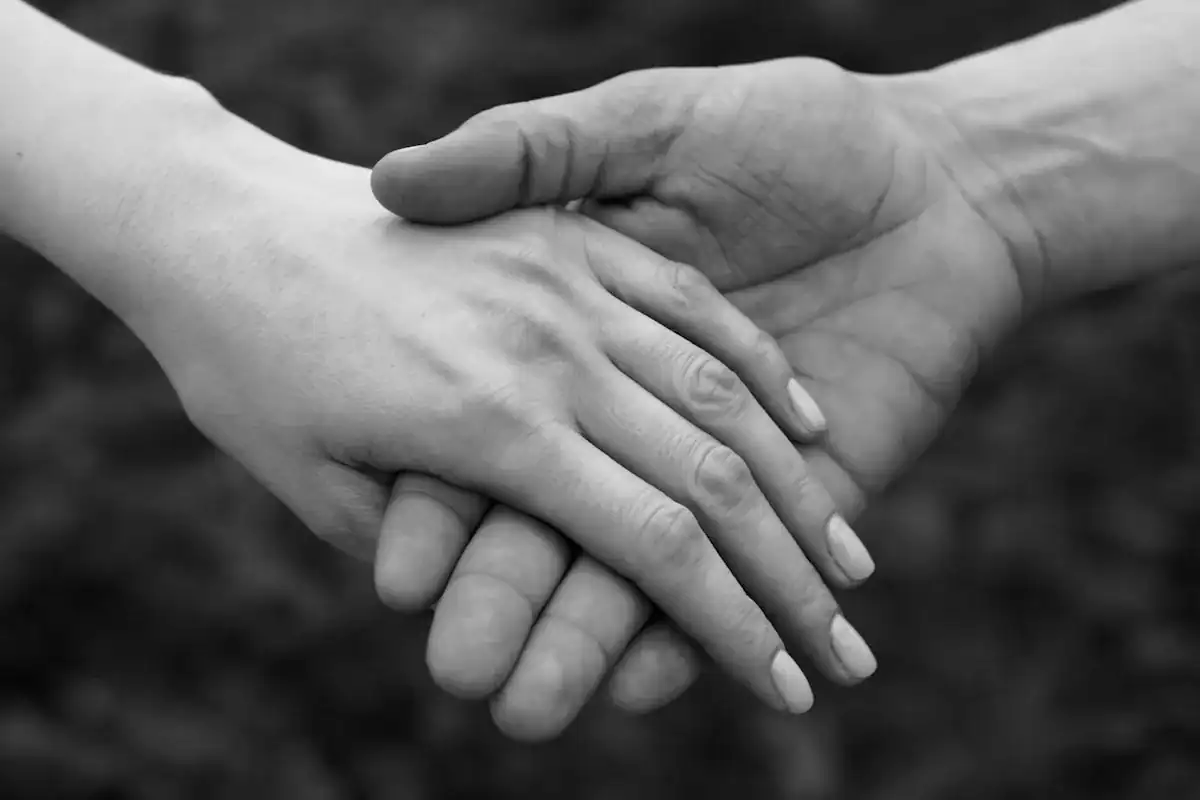
IG ImageTwo men's hands close in frame, one offering something (a hand near a shoulder, a cup passed across), the other slightly pulling back. Warm Clay Ember light on the offering hand, cooler shadow on the hand withdrawing. Mood: tenderness meeting hesitation.
Facebook
Someone does something genuinely kind for you, and instead of feeling grateful, your whole body tenses. A friend picks up the check. Your wife rubs your shoulders after a long day. And something in you recoils.
It's not that you don't want kindness. It's that kindness, in your experience, has come with a price tag. And your body hasn't forgotten what that cost.
For some men, the kindest moments in childhood were the most dangerous. A parent who was warm before the eruption. A gentle voice that could turn sharp without warning. If kindness was the bait before the trap, your nervous system learned to treat every tender moment as a warning. This is not paranoia. It's pattern recognition.
"See how very much our Father loves us, for he calls us his children, and that is what we are!" (1 John 3:1a, NLT)
That verse is not asking you to do something. It's asking you to receive something. For a man whose body flinches at kindness, receiving is the hardest verb in the language.
The flinch is not something you can think your way out of. But it can be retrained, slowly, through repeated experiences of safe kindness. You might start by noticing the flinch without judging it: "There it is. My body is bracing."
You are not too much. You are not too far gone for kindness to reach.
Read the full post.
reclaimingshalom.com/articles/why-kindness-makes-you-flinch/
Instagram
Someone does something genuinely kind, and instead of gratitude, your whole body tenses. A hand on your shoulder. A check picked up without being asked. And something in you recoils.
It's not that you don't want kindness. It's that kindness, in your story, has come with a price tag.
If kindness was the bait before the trap, your nervous system learned to treat every tender moment as a warning. That's not paranoia; it's pattern recognition.
You are not too broken for kindness to reach. The flinch is evidence of what you survived, and it can learn a new response.
Read the full post, link in bio.
#reclaimingshalom #learningtoreceive #traumahealing #menandvulnerability #storycoaching
YouTube Community
New post: "Why Kindness Makes You Flinch"
If someone's kindness makes your body tense instead of relax, that's not ingratitude. For some men, kindness was the bait before the trap growing up, and the nervous system never got the memo that it's safe now.
I write about the particular difficulty men have receiving care, and what it takes to let a kind moment sit for a few seconds longer than feels comfortable.
Read it → https://reclaimingshalom.com/articles/why-kindness-makes-you-flinch/
X (Twitter)
Not every gentle hand is attached to a fist. But telling your body that, and having it believe you, are two different things.
Bluesky
A friend picks up the check. Your wife rubs your shoulders. And something in you recoils instead of relaxing.
Kindness, in your story, has come with a price tag before. Your body hasn't forgotten. That's not paranoia; it's pattern recognition.
Read the full post at https://reclaimingshalom.com/articles/why-kindness-makes-you-flinch/
Google Business
Does genuine kindness make you tense instead of relax? For men who learned early that warmth could turn sharp without warning, kindness itself can register as a threat.
Our latest article explores why receiving care is often harder for men than giving it, and how the flinch response can slowly be retrained.
Read "Why Kindness Makes You Flinch" on our website.
Book a story coaching session to explore your relationship with being cared for.
Week of August 24–30Freeze responses, decision paralysis, and disappearing when people get close
When You Cannot Move and Life Will Not Wait

IG ImageA man lying still in bed, side profile or ceiling-view angle, one hand slightly open on the sheets as if reaching but not moving. Muted Stone Ink and Parchment Light tones. Mood: stillness that is not peace.
Facebook
There are mornings when the alarm goes off and you cannot move. Not the kind of morning that means you slept poorly. Something deeper: a heaviness in your chest, a fog in your mind, a sense that your body has simply refused to participate in the day.
You lie there, and the world keeps going. Emails pile up. The kids need breakfast. And you're staring at the ceiling, unable to make your limbs cooperate.
Most people know fight and flight. Fewer understand freeze, the body's last resort when fighting won't work and running won't work. In childhood, this might have looked like going still when a parent raged, or feeling disconnected during moments of fear. Your body learned that the safest thing to do was nothing. That learned response doesn't disappear because you grew up.
"The Lord is close to the brokenhearted; he rescues those whose spirits are crushed." (Psalm 34:18, NLT)
Close. Not disappointed. Not waiting for you to try harder. Close.
The worst thing you can do with a freeze response is force your way through it. The path forward is gentler: wiggle your toes, press your feet into the floor, name five things you see in the room. These are not metaphors. They are literal nervous system interventions.
Your collapse is not evidence of your character. It's evidence of what you survived.
Read the full post.
reclaimingshalom.com/articles/when-you-cannot-move-and-life-will-not-wait/
Instagram
The alarm goes off and you cannot move. Not "slept poorly" tired. Something deeper: a heaviness in your chest, a fog you can't think through.
Most people know fight and flight. Fewer understand freeze: the body's last resort when fighting and running both stop being options.
Your body learned somewhere that the safest thing to do was nothing. That response doesn't retire just because you grew up.
Your collapse is not evidence of your character. It's evidence of what you survived.
Read the full post, link in bio.
#reclaimingshalom #freezeresponse #traumahealing #menandmentalhealth #storycoaching
YouTube Community
New post: "When You Cannot Move and Life Will Not Wait"
If there are mornings you physically cannot get up, not laziness, not depression exactly, just a body that has shut down, I want you to know about freeze. It's the nervous system's last resort, and it doesn't turn off just because the danger passed years ago.
I write about how to come out of freeze gently, starting with something as small as wiggling your toes.
Read it → https://reclaimingshalom.com/articles/when-you-cannot-move-and-life-will-not-wait/
X (Twitter)
Freeze is the body's last resort: fighting won't work, running won't work, so it shuts down. It's not laziness. It's survival wearing a different face.
Bluesky
The alarm goes off and you cannot move. Not "slept poorly" tired, something deeper. A body that has simply refused to participate in the day.
That's not laziness. It's freeze, the nervous system's oldest survival strategy, still running years after the danger passed.
Read the full post at https://reclaimingshalom.com/articles/when-you-cannot-move-and-life-will-not-wait/
Google Business
Do you have mornings where you physically cannot get moving, no matter how much you want to? This may not be laziness or even depression alone; it may be a freeze response your nervous system learned long ago.
Our latest article explains the freeze response most people never hear about, and offers gentle, concrete steps for coming out of it.
Read "When You Cannot Move and Life Will Not Wait" on our website.
Book a story coaching session to explore what your body is protecting you from.
Why Every Decision Feels Like a Loaded Gun
IG ImageA man's hand hovering between two paths or two doors rendered as a simple fork on a table, sharp Shalom Deep Teal shadow, single warm light source overhead. Mood: the weight of an ordinary choice.
Facebook
You've been staring at the same email for twenty minutes, unable to decide how to respond. It's not a difficult email. It's a lunch invitation. But something about choosing, about committing to a direction, feels impossibly heavy.
If decisions feel loaded for you, it might not be indecisiveness. It might be a man whose story taught him that choosing wrong had consequences far beyond the choice itself.
In a healthy environment, a child learns decisions have manageable consequences. But in an environment shaped by abuse, neglect, or chaos, the stakes of every decision get inflated. You chose the wrong words and triggered a rage. You trusted the wrong person and got betrayed. That learned hypervigilance around choice doesn't turn off in adulthood; it turns restaurant menus into minefields.
"Trust in the Lord with all your heart; do not depend on your own understanding... he will show you which path to take." (Proverbs 3:5-6, NLT)
That verse asks for trust. Trust is exactly what trauma stole, not just trust in God, but trust in your own judgment, in the idea that you can choose and survive the outcome.
You cannot think your way out of this. It's not a thinking problem, it's a body problem. You might try lowering the stakes deliberately: "This decision is not life or death. The consequences of getting this wrong are manageable."
Read the full post to understand the freedom to choose imperfectly.
reclaimingshalom.com/articles/why-every-decision-feels-like-a-loaded-gun/
Instagram
Twenty minutes staring at an email. It's not a hard email. It's a lunch invitation. But committing to a direction feels impossibly heavy.
If decisions feel loaded, it might not be indecisiveness. It might be a man whose story taught him that choosing wrong had consequences far beyond the choice itself.
That learned hypervigilance doesn't turn off in adulthood. It turns restaurant menus into minefields.
The goal isn't to become a man who never hesitates. It's to tolerate the uncertainty without your body treating it as an emergency.
Read the full post, link in bio.
#reclaimingshalom #decisionfatigue #traumahealing #menandanxiety #storycoaching
YouTube Community
New post: "Why Every Decision Feels Like a Loaded Gun"
If choosing a restaurant feels as heavy as a major life decision, you're not indecisive. Your nervous system may have learned somewhere that choosing wrong carried real consequences, and it never got the update that most choices now are actually low-stakes.
I write about how to start lowering the stakes deliberately, one small decision at a time.
Read it → https://reclaimingshalom.com/articles/why-every-decision-feels-like-a-loaded-gun/
X (Twitter)
You're not indecisive. You're hypervigilant, and the energy it takes to process every choice through a trauma filter is exhausting.
Bluesky
Twenty minutes staring at an email. Not a hard one, a lunch invitation. But committing to any direction feels impossibly heavy.
You're not indecisive. Your nervous system learned somewhere that choosing wrong had real consequences. That doesn't turn off just because the danger did.
Read the full post at https://reclaimingshalom.com/articles/why-every-decision-feels-like-a-loaded-gun/
Google Business
Does even a small decision, what to eat, which email to answer first, feel disproportionately heavy? For many men, this isn't indecisiveness. It's a nervous system that learned early that choosing wrong carried real consequences.
Our latest article explores how trauma weaponizes choice, and offers a starting point for rebuilding trust in your own judgment.
Read "Why Every Decision Feels Like a Loaded Gun" on our website.
Book a story coaching session to explore the roots of your decision paralysis.
Why You Disappear When People Get Close
IG ImageA man standing at the edge of a group scene, back near a wall, positioned just outside the warm light the group is standing in. Mostly rendered in Stone Ink shadow with a sliver of Clay Ember warmth from the group. Mood: physically present, relationally absent.
Facebook
You were fine at the party until someone asked a real question. You were managing the group dinner until a friend put a hand on your shoulder and said, "How are you really doing?" And then something in you shut the door.
You didn't leave because you don't care about people. You left because people getting close activates something in you that feels like danger. Not the kind you can name. The kind that lives in your bones.
For a man who grew up in an environment where being seen meant being targeted, hiding was intelligence. It kept you safe when you were too young to fight back. The problem is it didn't retire when the threat did.
Many men become experts at social performance: reading a room, saying the right thing, appearing engaged while revealing nothing of substance. From the outside, they look connected. From the inside, they're watching themselves from a distance.
"Where can I go from your Spirit? Where can I flee from your presence?... If I make my bed in the depths, you are there." (Psalm 139:7-8, NLT)
There is something both terrifying and comforting in a God who cannot be hidden from.
Coming out of hiding doesn't mean becoming an extrovert. It means letting one or two safe people see more of you than you're comfortable revealing: staying at the gathering ten minutes past your escape point, answering a question honestly instead of deflecting.
You are worth being known.
Read the full post.
reclaimingshalom.com/articles/why-you-disappear-when-people-get-close/
Instagram
You were fine at the party until someone asked a real question. Fine at the dinner until a friend asked, "How are you really doing?" Then something in you shut the door.
You didn't leave because you don't care about people. Closeness activates something that feels like danger, the kind that lives in your bones, not the kind you can name.
Hiding kept you safe once. The problem is it never retired when the threat did.
Coming out of hiding doesn't mean becoming an extrovert. It means letting one safe person see more of you than feels comfortable.
Read the full post, link in bio.
#reclaimingshalom #comingoutofhiding #traumahealing #menandconnection #storycoaching
YouTube Community
New post: "Why You Disappear When People Get Close"
If you're an expert at being present in the room and absent in the conversation, reading people well, saying the right thing, revealing nothing, that's not shallowness. For a lot of men, hiding was intelligence once. It kept you safe.
I write about the difference between social performance and real connection, and what it looks like to stay ten minutes past your escape point.
Read it → https://reclaimingshalom.com/articles/why-you-disappear-when-people-get-close/
X (Twitter)
The man who hides doesn't think he's worth finding. That's a wound, not a fact.
Bluesky
Fine at the party until someone asks a real question. Fine at dinner until a friend says, "How are you really doing?" Then something in you shuts the door.
Hiding kept you safe once. It never retired when the threat did.
Read the full post at https://reclaimingshalom.com/articles/why-you-disappear-when-people-get-close/
Google Business
Do you find yourself present in the room but absent in real conversation, reading people well, saying the right thing, revealing nothing? For many men, this social performance developed as protection, and it doesn't retire on its own.
Our latest article explores the difference between social performance and genuine connection, and what it takes to let a safe person see more of the real you.
Read "Why You Disappear When People Get Close" on our website.
Book a story coaching session to explore what hiding has been protecting you from.