
September 2026: Last 10 Published Posts : Content for Approval
Prepared by Social Media Director
0
/ 10 posts approved
Click Approve on each post after reviewing. Mary will schedule once all are approved.
Review instructions: Read each post and click Approve to confirm it can go out as written. Once everything is approved, click the button above to hand off to Mary.
Week of August 31–September 6Recent posts on the body, inheritance, caregiving, prayer, home, and time: how trauma reshapes each
When the Pain in Your Body Is Telling an Old Story
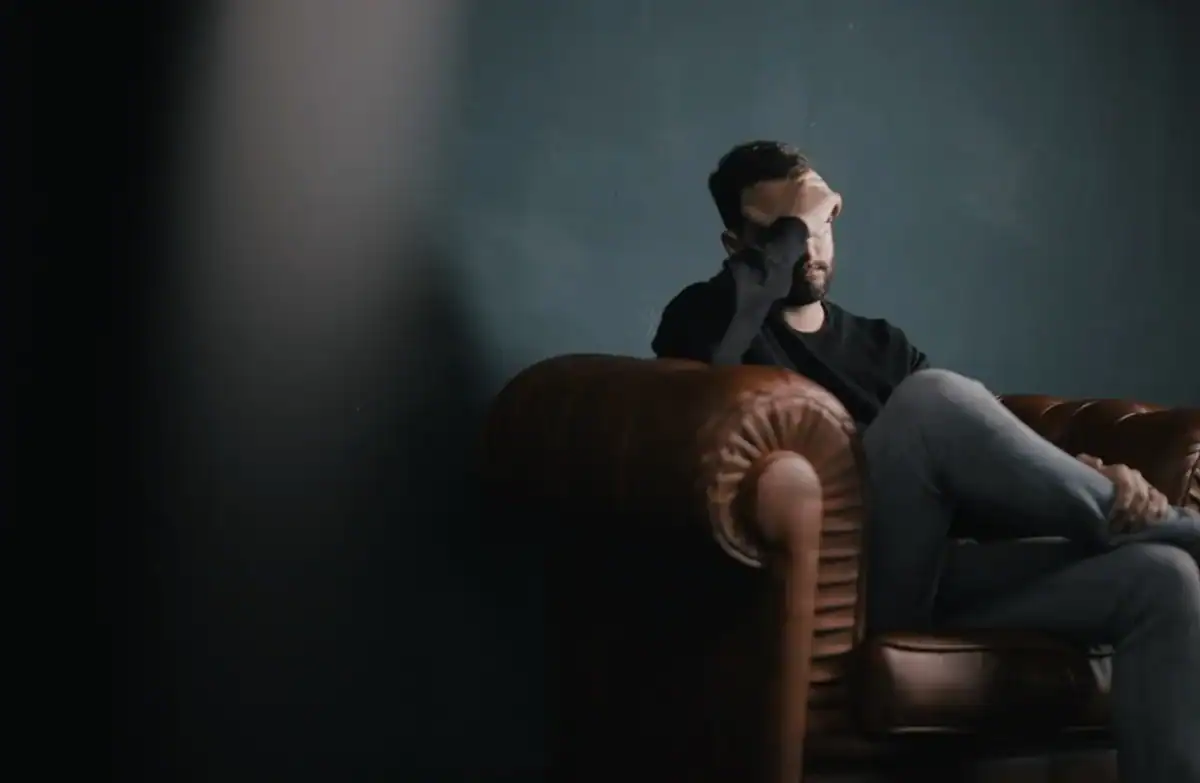
IG ImageClose shot of a man's hand pressed to his own shoulder or the back of his neck, seated alone in soft window light. Parchment Light background, Olive Branch shirt tone, subtle Clay Ember warmth in the light. Mood: quiet attention rather than distress.
Facebook
You went to the doctor about your back. Or your shoulders. Or the headaches that show up like clockwork whenever the stress builds. They ran the tests, maybe wrote a prescription, maybe told you to stretch more. But something about the pain does not add up. It does not respond the way it should.
What if the pain in your body is not just about your body?
For many men, chronic pain carries a story a medical chart cannot capture. Research on trauma and the body has shown that unresolved pain does not just live in the mind. It settles into muscle, into posture, into the shape your body learned for survival, and it holds that shape until something helps it learn a new one.
Most men learn early that pain is something to manage, not explore. You push through. You adjust your routine. What you were never taught to do is ask the pain what it is trying to say.
This is not about replacing medical care. It is about adding another layer of attention: noticing where tension lives, when it intensifies, what it might be connected to.
Your body does not want to hold this forever. It is doing its best to manage something it was never designed to carry alone.
Read the full post for a way to start listening to what your body has been holding.
reclaimingshalom.com
Instagram
You went to the doctor about your back, your shoulders, the headaches that show up like clockwork. They ran the tests. But something about the pain doesn't add up.
What if the pain in your body isn't just about your body?
Unresolved pain doesn't only live in the mind. It settles into muscle, into posture, into the shape your body learned for survival, and it holds that shape until something helps it learn a new one.
Most men learn to manage pain, not explore it. You push through. You adjust. What you were never taught is how to ask the pain what it's trying to say.
Your body isn't holding this forever. It's doing its best with something it was never meant to carry alone.
Read the full post to learn how to start listening.
#reclaimingshalom #chronicpain #traumahealing #mensmentalhealth #storycoaching
YouTube Community
New post: "When the Pain in Your Body Is Telling an Old Story"
If chronic pain doesn't respond the way it should, moves around, deepens at strange times, shows up with no clear cause, it might be carrying more than physical strain.
Your body remembers what your words haven't found yet. That's not a diagnosis. It's an invitation to listen differently.
Read the post → https://reclaimingshalom.com/articles/when-the-pain-in-your-body-is-telling-an-old-story/
X (Twitter)
Chronic pain that doesn't add up isn't always about the body.
Sometimes it's the shape your body learned for survival, still holding on years later.
Bluesky
You went to the doctor about your back, your shoulders, the headaches that show up like clockwork. They ran the tests. But something about the pain doesn't add up: it moves, or deepens, or arrives at moments that have nothing to do with physical strain.
What if the pain in your body isn't just about your body?
Unresolved pain doesn't only live in the mind. It settles into muscle, into posture, into the shape your body learned for survival, and it holds that shape until something helps it learn a new one.
Most men learn to manage pain, not explore it. This isn't about replacing medical care. It's about adding another layer of attention: noticing where tension lives, when it intensifies, what it connects to.
Read the full post at https://reclaimingshalom.com/articles/when-the-pain-in-your-body-is-telling-an-old-story/
Google Business
Does chronic pain in your back, shoulders, or head show up without a clear physical cause?
For many men, unresolved pain settles into the body long before it's understood. Our latest post explores the connection between trauma and physical pain, and what it might look like to listen to your body instead of only managing the symptom.
This isn't a replacement for medical care. It's a different lens for understanding what your body may be holding.
Read the full post on the body and old stories.
Book a story coaching session to explore what your pain might be connected to.
When You Inherited a Story You Never Chose
IG ImageA man's hand resting near an older man's hand or an heirloom object (a watch, a tool) on a table, connection and weight without showing faces. Shalom Deep Teal background, Soft Gold Thread accent on the object. Mood: inheritance, weight, quiet resolve.
Facebook
You catch yourself doing something your father did, and it stops you cold. The way you go silent during a disagreement. The way anger flares louder than you meant. The way you pull away from the people closest to you, not because you want to, but because your body seems to know no other way.
How much of this is yours, and how much was handed down?
Intergenerational trauma is not a theory reserved for textbooks. It is the lived experience of men who carry patterns, fears, and wounds they did not choose but cannot seem to put down. You learned how to be a man by watching the men around you. If they shut down, you learned that shutting down was strength.
This is not about blame. Your parents were likely doing the best they could with what they carried. And their parents before them.
Here is the point: you did not choose this inheritance, but you get to choose what you do with it. You do not have to break the cycle in one heroic moment. You can bend it: in small, daily ways. Every time you name an emotion instead of suppressing it, you are writing a different story for the next generation.
Read the full post on what gets passed down, and what doesn't have to be.
reclaimingshalom.com
Instagram
You catch yourself doing something your father did, and it stops you cold. The silence during a disagreement. The anger that flares louder than you meant. The way you pull away from people closest to you.
How much of this is yours, and how much was handed down?
Intergenerational trauma isn't a textbook theory. It's the lived experience of carrying patterns you didn't choose but can't seem to put down.
This isn't about blame. Your parents were likely doing the best they could with what they carried, and their parents before them.
You didn't choose this inheritance. But you get to choose what you do with it. Not in one heroic moment: in small, daily ways. Every time you name an emotion instead of suppressing it, you're writing a different story.
Read the full post to learn what gets passed down, and what doesn't have to be.
#reclaimingshalom #intergenerationaltrauma #breakthecycle #mensmentalhealth #storycoaching
YouTube Community
New post: "When You Inherited a Story You Never Chose"
Ever catch yourself doing something your father did and it stops you cold? Intergenerational trauma is real: patterns, fears, and wounds you didn't choose but still carry.
You didn't choose the inheritance. But you get to choose what you pass on next.
What's one thing you want to give the next generation that wasn't given to you? Read the post → https://reclaimingshalom.com/articles/when-you-inherited-a-story-you-never-chose/
X (Twitter)
You catch yourself doing something your father did, and it stops you cold.
You didn't choose that inheritance. But you get to choose what you do with it.
Bluesky
You catch yourself doing something your father did, and it stops you cold. The silence during a disagreement. The anger that flares louder than you meant. The way you pull away from people closest to you, not because you want to, but because your body seems to know no other way.
Intergenerational trauma isn't a textbook theory. It's the lived experience of carrying patterns, fears, and wounds you didn't choose but can't put down.
This isn't about blame. Your parents were likely doing the best they could with what they carried, and their parents before them.
The point: you didn't choose this inheritance, but you get to choose what you do with it. Not in one heroic moment: in small, daily ways.
Read the full post at https://reclaimingshalom.com/articles/when-you-inherited-a-story-you-never-chose/
Google Business
Have you ever caught yourself repeating a pattern from your father or mother, a reaction, a silence, a way of pulling away, that you swore you'd never repeat?
Intergenerational trauma shapes how men relate, parent, and communicate long before they're aware of it. Our latest post looks at what gets passed down between generations, and how change happens, not in one heroic moment, but in small, daily choices.
You didn't choose your inheritance. You can choose what you pass on.
Read the full post on breaking generational patterns.
Book a story coaching session to explore what's showing up in your own story.
When You Are Holding Everyone Together Except Yourself
IG ImageA man standing at the center of a doorway or threshold, looking outward while others are implied behind him out of frame, one figure carrying weight for people we don't see. Olive Branch tones, Parchment Light background. Mood: quiet exhaustion beneath composure.
Facebook
You are the one who shows up. The one who holds the family together when things fall apart. The one your wife leans on, your kids depend on, your coworkers count on. You carry the weight of other people's needs with a quiet competence everyone has come to expect.
And somewhere underneath all that holding, you are coming apart.
Maybe no one asks how you are doing because you've made it look effortless. Maybe they ask and you say "fine" because you don't have the words for anything else. Caring for others while carrying your own unprocessed pain is one of the loneliest experiences a man can have.
This pattern often starts early: the child who managed everyone else's emotions while his own went unattended. That pattern doesn't disappear in adulthood. It deepens. You become the husband who never asks for help, the friend who listens but never shares.
Caring for yourself might start small: telling one person the truth. Setting a boundary. Letting someone else handle something without stepping in.
You do not have to stop being the man who shows up. You just have to stop disappearing from your own life in the process.
Read the full post on caregiving, trauma, and what it looks like to care for yourself too.
reclaimingshalom.com
Instagram
You're the one who shows up. The one who holds the family together. The one people lean on, depend on, count on.
And somewhere underneath all that holding, you're coming apart.
Maybe no one asks how you're doing because you've made it look effortless. Maybe they ask and you say "fine" because you don't have the words for anything else.
This pattern often starts early: the kid who managed everyone else's emotions while his own went unattended. It doesn't disappear in adulthood. It deepens.
Caring for yourself might start small: telling one person the truth. Setting a boundary. Letting someone else handle something without stepping in.
You don't have to stop being the man who shows up. You just have to stop disappearing from your own life in the process.
Read the full post to see what caring for yourself can actually look like.
#reclaimingshalom #caregiverfatigue #mensmentalhealth #boundaries #storycoaching
YouTube Community
New post: "When You Are Holding Everyone Together Except Yourself"
If you're the one everyone leans on, and no one's asked how you're really doing in a long time, this one's for you.
Caring for others while carrying your own unprocessed pain is one of the loneliest experiences a man can have. You don't have to stop showing up. You just don't have to disappear from your own life in the process.
Read the post → https://reclaimingshalom.com/articles/when-you-are-holding-everyone-together-except-yourself/
X (Twitter)
You're the one who holds everyone together.
And somewhere underneath all that holding, you're coming apart, and no one's asked how you're doing in a long time.
Bluesky
You are the one who shows up. The one who holds the family together when things fall apart. The one your wife leans on, your kids depend on, your coworkers count on.
And somewhere underneath all that holding, you are coming apart.
Maybe no one asks how you're doing because you've made it look effortless. Maybe they ask and you say "fine" because you don't have the words for anything else. Caring for others while carrying your own unprocessed pain is one of the loneliest experiences a man can have.
This pattern often starts early: the child who managed everyone else's emotions while his own went unattended. It doesn't disappear in adulthood. It deepens.
You do not have to stop being the man who shows up. You just have to stop disappearing from your own life in the process.
Read the full post at https://reclaimingshalom.com/articles/when-you-are-holding-everyone-together-except-yourself/
Google Business
Are you the one everyone else leans on, and the last person anyone checks in on?
Caring for others while carrying your own unprocessed pain is one of the loneliest experiences a man can have. Our latest post looks at why caregiving and trauma often collide, and what it actually looks like for a man who holds everything together to also care for himself.
You don't have to stop being the one who shows up. You just don't have to disappear from your own life to do it.
Read the full post on caregiving and self-care for men.
Book a story coaching session if you're ready to be cared for, not just needed.
When Prayer Feels Like Talking to a Wall
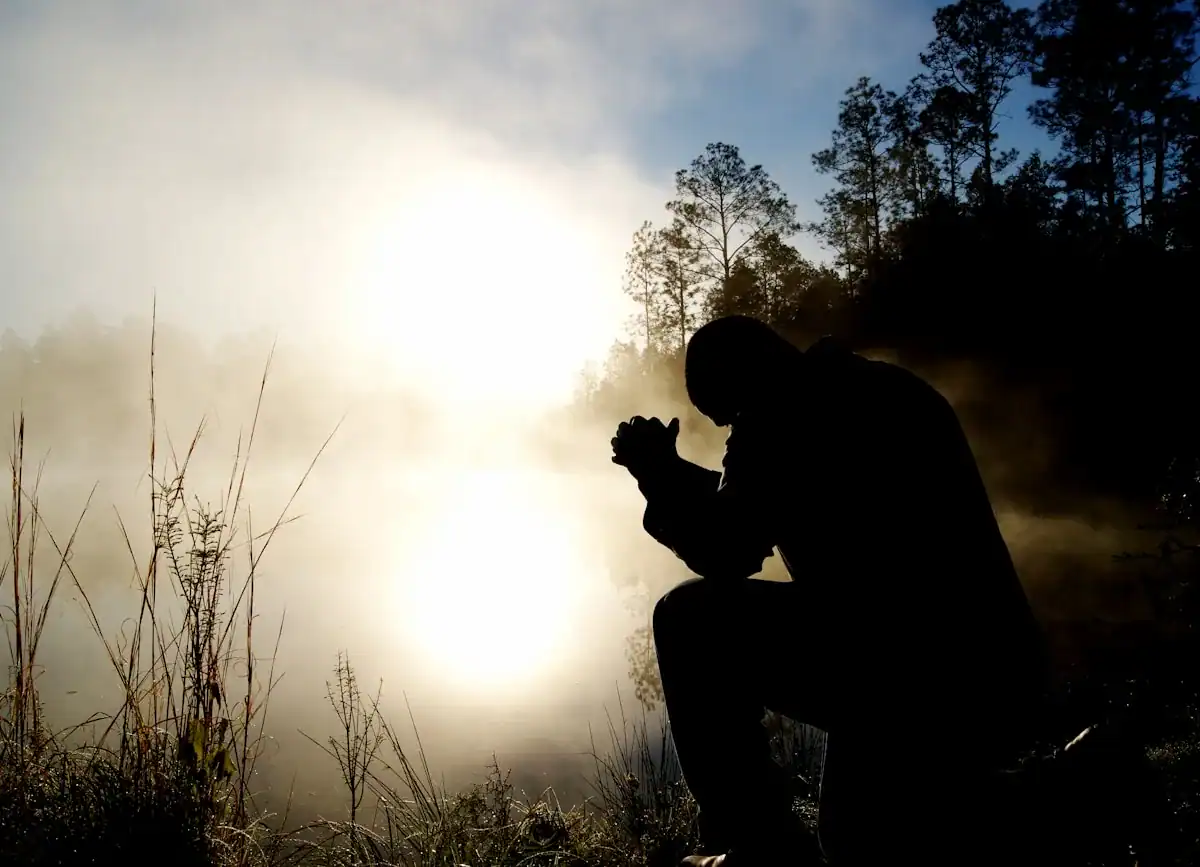
IG ImageMan seated alone, head bowed or looking down at open hands, in a plain room with natural light, no cross or overt iconography, just posture. Shalom Deep Teal walls, Parchment Light window light. Mood: honest stillness, not performance.
Facebook
You used to pray. Or at least you used to try. There was a time when the words came, when the practice felt familiar. But somewhere along the way, the connection went quiet. Now when you bow your head, the silence feels less like peace and more like absence.
If prayer has become difficult, or impossible, or painful since your experience of trauma, you are not alone. And you are not failing at faith.
Prayer, at its core, is an act of trust. But trauma dismantles trust. If the people who were supposed to protect you failed, prayer becomes complicated, not a spiritual failure, but a relational one.
Most men were taught a version of prayer that sounds polished and confident. But what happens when your honest prayer sounds more like, "I don't know if you're there. I don't know if you care"? The Psalms are full of exactly this kind of prayer.
You do not need to force your prayer life back to life or perform for God. You might start with silence. Or writing instead of speaking. Or simply being present without trying to fill the quiet.
God is not waiting for you to get prayer right. Your silence may be the beginning of a kind of prayer you were never taught.
Read the full post on prayer after trauma.
reclaimingshalom.com
Instagram
You used to pray. Or at least you used to try. There was a time the words came. But somewhere along the way, the connection went quiet.
If prayer has become difficult, or impossible, or painful since your experience of trauma, you're not alone. And you're not failing at faith.
Prayer is an act of trust. Trauma dismantles trust. That's not a spiritual failure; it's a relational one.
Most men were taught a version of prayer that sounds polished and confident. But what happens when your honest prayer sounds more like, "I don't know if you're there"?
You don't need to force it back to life. You might start with silence. Or writing instead of speaking.
God isn't waiting for you to get prayer right.
Read the full post on relearning prayer at your own pace.
#reclaimingshalom #prayerlife #faithandhealing #traumahealing #storycoaching
YouTube Community
New post: "When Prayer Feels Like Talking to a Wall"
If your prayer life has gone quiet since your experience of trauma, you're not failing at faith. Trauma dismantles trust, and prayer is a relational act, so it gets complicated when trust has been wounded.
You don't have to force it back to life. Silence, honesty, even writing instead of speaking. These all count.
Read the post → https://reclaimingshalom.com/articles/when-prayer-feels-like-talking-to-a-wall/
X (Twitter)
If prayer has gone quiet since trauma, that's not a failure of faith.
Prayer is an act of trust. Trauma dismantles trust. The silence makes sense.
Bluesky
You used to pray. Or at least you used to try. There was a time when the words came, when the practice felt familiar. But somewhere along the way, the connection went quiet. Now when you bow your head, the silence feels less like peace and more like absence.
If prayer has become difficult, or impossible, or painful since your experience of trauma, you are not alone. And you are not failing at faith.
Prayer is an act of trust. Trauma dismantles trust. If the people who were supposed to protect you failed, prayer becomes complicated, not a spiritual failure, but a relational one.
You do not need to force your prayer life back to life. You might start with silence. Or writing instead of speaking. God is not waiting for you to get prayer right.
Read the full post at https://reclaimingshalom.com/articles/when-prayer-feels-like-talking-to-a-wall/
Google Business
Has prayer become difficult, or gone quiet altogether, since a season of hardship or trauma?
You're not failing at faith. Prayer is a relational act, and when trust has been wounded, that relationship gets complicated too. Our latest post explores why trauma disrupts prayer, and gentler ways to reconnect at your own pace.
Read the full post on prayer after trauma.
Book a story coaching session to explore what's making prayer feel distant.
When No Place Has Ever Felt Like Home

IG ImageA man standing in an empty or half-furnished room, looking out a window rather than at the camera, implying a house that hasn't become home yet. Parchment Light walls, Olive Branch accent (a single plant or chair). Mood: transient, searching, quiet.
Facebook
You have moved into a house, maybe more than one. You have arranged furniture, hung pictures, paid the mortgage. But something about the word "home" has always felt slightly off, like wearing someone else's coat. It fits, more or less, but it was never really made for you.
If no place has ever felt like home, the problem may not be the places. It may be what happened in the place that was supposed to feel safe.
Home is more than a location. It is a felt sense of safety, belonging, and rest. For men who experienced trauma in their childhood homes, the house that was supposed to be a sanctuary was instead the source of pain. That association does not simply evaporate because you move into a new house as an adult.
Without an early experience of home, you are trying to build something you have never tasted. That is not a character flaw. It is the absence of a template.
Rebuilding starts inside, not with a new address. Notice where in your body you feel most at ease. Notice the people around whom you can exhale. And give yourself permission to grieve the home you never had.
The longing you feel is not a defect. It is a compass.
Read the full post on trauma, home, and belonging.
reclaimingshalom.com
Instagram
You've moved into a house, maybe more than one. Arranged furniture, hung pictures. But something about the word "home" has always felt slightly off, like wearing someone else's coat.
If no place has ever felt like home, the problem may not be the places. It may be what happened in the place that was supposed to feel safe.
Home is more than a location. It's a felt sense of safety, belonging, and rest. For men whose childhood homes weren't safe, that association doesn't evaporate just because you move somewhere new.
Rebuilding starts inside, not with a new address. Notice where your body feels most at ease. Notice the people around whom you can exhale.
The longing you feel for home isn't a defect. It's a compass.
Read the full post to see what rebuilding home from the inside out can look like.
#reclaimingshalom #homeandbelonging #traumahealing #mensmentalhealth #storycoaching
YouTube Community
New post: "When No Place Has Ever Felt Like Home"
If you've never quite felt settled anywhere, even in a house you own, a life you built, the problem might not be the places. It might be what happened in the place that was supposed to feel safe first.
Rebuilding a felt sense of home starts inside, not with a new address.
Read the post → https://reclaimingshalom.com/articles/when-no-place-has-ever-felt-like-home/
X (Twitter)
If no place has ever felt like home, it might not be about the places.
It might be about what happened in the place that was supposed to feel safe first.
Bluesky
You have moved into a house, maybe more than one. You have arranged furniture, hung pictures, paid the mortgage. But something about the word "home" has always felt slightly off, like wearing someone else's coat.
If no place has ever felt like home, the problem may not be the places. It may be what happened in the place that was supposed to feel safe.
Home is more than a location. It is a felt sense of safety, belonging, and rest. For men who experienced trauma in their childhood homes, that association does not simply evaporate because you move into a new house as an adult.
Rebuilding starts inside, not with a new address. Notice where in your body you feel most at ease. Notice the people around whom you can exhale.
Read the full post at https://reclaimingshalom.com/articles/when-no-place-has-ever-felt-like-home/
Google Business
Have you ever lived somewhere for years and still not felt settled, like the place never quite became home?
For many men, an unsafe childhood home means the felt sense of home never fully developed. Our latest post explores how trauma disrupts your sense of place, and what it looks like to rebuild a sense of home from the inside out.
Read the full post on trauma, home, and belonging.
Book a story coaching session to explore what's shaping your sense of home today.
When Your Calendar Controls You Instead of Serving You

IG ImageClose shot of a filled paper or digital planner on a desk, a man's hand hovering over it but not writing, implying hesitation. Clay Ember highlight on one blocked-out hour. Parchment Light desk surface. Mood: pressure, then a small opening.
Facebook
You look at your week and feel tightness in your chest before it even begins. Every hour is spoken for. Every margin has been filled. And somewhere in the back of your mind, you know this pace is not sustainable, but slowing down feels more dangerous than burning out.
For men who grew up in chaotic or unsafe environments, time was never neutral. You never knew when the next crisis would arrive, so you learned to fill every moment with preparation or productivity. Stillness was not an option, because stillness meant vulnerability.
That pattern follows you into adulthood. You fill your calendar the way you once filled the silence in your childhood home, desperately, as if any gap might let the old danger back in.
There is a difference between a man who is busy because his life is full and a man who is busy because he cannot stop. The first man chooses his commitments. The second is chosen by his compulsions.
A time boundary is not the same as time management. It is the practice of deciding, ahead of time, what your hours are for. Start small: block one hour this week that belongs to no one but you. Notice how that feels.
Your relationship with time can change. It was never your enemy.
Read the full post on trauma, time, and reclaiming your calendar.
reclaimingshalom.com
Instagram
You look at your week and feel tightness in your chest before it even begins. Every hour is spoken for. And somewhere in the back of your mind, you know this pace isn't sustainable, but slowing down feels more dangerous than burning out.
For men who grew up in chaotic or unsafe environments, time was never neutral. You learned to fill every moment because stillness meant vulnerability.
There's a difference between a man who's busy because his life is full and a man who's busy because he can't stop. The first chooses his commitments. The second is chosen by his compulsions.
A time boundary isn't time management. It's deciding, ahead of time, what your hours are for. Start small: block one hour this week that belongs to no one but you.
Time was never your enemy.
Read the full post to learn how to set gentle time boundaries.
#reclaimingshalom #timeboundaries #burnout #mensmentalhealth #storycoaching
YouTube Community
New post: "When Your Calendar Controls You Instead of Serving You"
If your week feels tight before it even begins, if empty space makes you more anxious than a packed schedule, this one might land.
For a lot of men, an overfull calendar isn't ambition. It's an old pattern that learned stillness meant danger.
What would your week look like if it were built to serve you instead of control you? Read the post → https://reclaimingshalom.com/articles/when-your-calendar-controls-you/
X (Twitter)
An overfull calendar isn't always ambition.
Sometimes it's a nervous system that learned stillness meant danger, still filling every gap decades later.
Bluesky
You look at your week and feel tightness in your chest before it even begins. Every hour is spoken for. And somewhere in the back of your mind, you know this pace is not sustainable, but slowing down feels more dangerous than burning out.
For men who grew up in chaotic or unsafe environments, time was never neutral. You learned to fill every moment because stillness meant vulnerability.
There is a difference between a man who is busy because his life is full and a man who is busy because he cannot stop. The first chooses his commitments. The second is chosen by his compulsions.
A time boundary is not time management. It is deciding, ahead of time, what your hours are for. Start small: block one hour this week that belongs to no one but you.
Read the full post at https://reclaimingshalom.com/articles/when-your-calendar-controls-you/
Google Business
Does your calendar feel like it's controlling you instead of serving you?
For many men, an overfull schedule isn't about ambition; it's a pattern rooted in a nervous system that learned stillness meant danger. Our latest post explores how trauma shapes your relationship with time, and how to begin setting gentle time boundaries that protect rather than manage.
Read the full post on trauma, time, and your calendar.
Book a story coaching session to explore what your schedule might be protecting you from.
Week of September 7–13Posts on parenting triggers, spiritual shame, minimized pain, and the fear of rest
When Your Past Walks Into the Room With Your Kids
IG ImageA father's hand resting gently on a child's shoulder from behind, both slightly out of focus, low afternoon light in a kitchen or living room. Olive Branch and Clay Ember warm tones. Mood: tenderness after tension, repair.
Facebook
Your son drops a glass and your reaction is instant, disproportionate, and utterly confusing. He is standing in a puddle of milk with wide eyes, and you are gripping the counter, your voice louder than the moment deserves. Five seconds later, you are flooded with shame. He is just a kid. It was just a glass.
But the part of you that reacted was not responding to spilled milk. It was responding to something much older.
Children are vulnerable, loud, needy, unpredictable. For a man whose childhood taught him that vulnerability was dangerous, his own children's normal behavior can feel like a constant trigger. This is not about your children. It is about what they surface in you.
For many men, the deepest terror of parenting is the fear of repetition: hearing your father's voice come out of your own mouth. That fear, painful as it is, means you see the pattern. That awareness is the first step in breaking the chain.
You cannot give your children what you do not have. The most loving thing you can do for them may not be another bedtime story. It may be getting help for the pain you carry, and practicing repair when you get it wrong: "I'm sorry. That was too much. That was not about you."
Read the full post on parenting, old wounds, and repair.
reclaimingshalom.com
Instagram
Your son drops a glass and your reaction is instant, disproportionate, and utterly confusing. Five seconds later, you're flooded with shame. He's just a kid. It was just a glass.
But the part of you that reacted wasn't responding to spilled milk. It was responding to something much older.
For a man whose childhood taught him that vulnerability was dangerous, his own children's normal behavior can feel like a constant trigger. This isn't about your children. It's about what they surface in you.
The deepest terror of parenting, for many men, is the fear of repetition: hearing your father's voice come out of your own mouth. That fear means you see the pattern. Seeing it is the first step.
You can't give your children what you don't have. Sometimes the most loving thing is getting help, and practicing repair when you get it wrong.
Read the full post on parenting and old wounds.
#reclaimingshalom #fatherhood #breakthecycle #mensmentalhealth #storycoaching
YouTube Community
New post: "When Your Past Walks Into the Room With Your Kids"
Ever react to something small with your kids in a way that surprises even you? It's usually not about them. It's something older getting triggered by their very normal vulnerability.
Seeing the pattern is the first step. Repair is the second: "I'm sorry. That was too much. That wasn't about you."
Read the post → https://reclaimingshalom.com/articles/when-your-past-walks-into-the-room-with-your-kids/
X (Twitter)
Your kid does something small and your reaction is instant and disproportionate.
It's rarely about them. It's usually something much older getting triggered.
Bluesky
Your son drops a glass and your reaction is instant, disproportionate, and utterly confusing. He is standing in a puddle of milk with wide eyes, and you are gripping the counter, your voice louder than the moment deserves. Five seconds later, you are flooded with shame.
But the part of you that reacted was not responding to spilled milk. It was responding to something much older.
Children are vulnerable, loud, needy, unpredictable. For a man whose childhood taught him vulnerability was dangerous, his own children's normal behavior can feel like a constant trigger. This is not about your children. It is about what they surface in you.
You cannot give your children what you do not have. Sometimes the most loving thing is getting help for the pain you carry, and practicing repair when you get it wrong.
Read the full post at https://reclaimingshalom.com/articles/when-your-past-walks-into-the-room-with-your-kids/
Google Business
Do you ever react to something small with your children in a way that surprises even you?
Parenting has a way of activating old wounds: a child's normal vulnerability can trigger patterns from your own childhood. Our latest post looks at why this happens, the fear many fathers carry of repeating their own father's patterns, and what repair can look like after a hard moment.
Read the full post on parenting and old wounds.
Book a story coaching session to explore what's getting activated in your parenting.
When Your Inner Critic Sounds Like a Sermon
IG ImageA man sitting in a plain wooden pew or chair alone, head slightly lowered, empty space around him, no ornate church imagery. Shalom Deep Teal shadow, Soft Gold Thread rim light. Mood: weight of inherited judgment, held quietly rather than dramatized.
Facebook
There is a voice in your head that knows exactly where to hit. It sounds authoritative, even righteous. It tells you that you are not doing enough, not praying enough, not changing fast enough. And the cruelest part is that it often sounds like it is quoting Scripture.
If your inner critic wears a clerical collar, you are dealing with something more than garden-variety self-doubt. You are dealing with a wound that was inflicted in the name of God.
That voice did not emerge from nowhere. It was shaped by people who had power over you, parents, pastors, leaders, who used spiritual language to control, correct, or shame. Over time, their voice became internalized. You no longer need them in the room. You carry them in your head, and mistake it for your own conscience.
There is a critical distinction many men were never taught: conviction draws you toward growth with hope. Condemnation drives you away from God with fear. Conviction says, "There is more for you." Condemnation says, "You will never be enough."
If the loudest voice in your spiritual life produces shame and isolation, it is not the Holy Spirit. It is the echo of someone who used authority carelessly.
Healing is not about turning the voice off. It is about learning to recognize it, name it, and disagree with it.
Read the full post on spiritual shame and the inner critic.
reclaimingshalom.com
Instagram
There's a voice in your head that knows exactly where to hit. It sounds authoritative, even righteous. And the cruelest part is that it often sounds like it's quoting Scripture.
If your inner critic wears a clerical collar, you're dealing with more than garden-variety self-doubt. You're dealing with a wound inflicted in the name of God.
That voice was shaped by people who had power over you, and used spiritual language to control, correct, or shame. Over time, it became internalized. You mistake it for your own conscience.
Here's the distinction many men were never taught: conviction draws you toward growth with hope. Condemnation drives you away with fear. Conviction says, "There's more for you." Condemnation says, "You'll never be enough."
Healing isn't about turning the voice off. It's learning to recognize it, name it, and disagree with it.
Read the full post on rewriting the internal script.
#reclaimingshalom #spiritualhealing #faithandhealing #mensmentalhealth #storycoaching
YouTube Community
New post: "When Your Inner Critic Sounds Like a Sermon"
If the harshest voice in your head sounds like church, authoritative, righteous, always naming what's not enough, it's worth asking where that voice actually came from.
There's a real difference between conviction and condemnation. One draws you toward growth. The other just drives you into hiding.
Read the post → https://reclaimingshalom.com/articles/when-your-inner-critic-sounds-like-a-sermon/
X (Twitter)
Conviction says, "There's more for you."
Condemnation says, "You'll never be enough."
If the voice in your head only ever says the second one, it isn't the Holy Spirit.
Bluesky
There is a voice in your head that knows exactly where to hit. It sounds authoritative, even righteous. It tells you that you are not doing enough, not praying enough, not changing fast enough. And the cruelest part is that it often sounds like it is quoting Scripture.
If your inner critic wears a clerical collar, you are dealing with something more than garden-variety self-doubt. You are dealing with a wound that was inflicted in the name of God.
That voice was shaped by people who had power over you and used spiritual language to control, correct, or shame. Over time, it became internalized. You mistake it for your own conscience.
There is a distinction many men were never taught: conviction draws you toward growth with hope. Condemnation drives you away with fear.
Healing is not about turning the voice off. It is learning to recognize it, name it, and disagree with it.
Read the full post at https://reclaimingshalom.com/articles/when-your-inner-critic-sounds-like-a-sermon/
Google Business
Does the harshest voice in your head sound less like your own conscience and more like a sermon, always naming what's not enough?
Our latest post explores the difference between conviction, which draws you toward growth with hope, and condemnation, which drives you away with fear and shame. If spiritual language was ever used to control or shame you growing up, that voice may still be running the show.
Read the full post on spiritual shame and the inner critic.
Book a story coaching session to explore where that voice came from.
When You Were Taught That Your Pain Was Not That Bad
IG ImageA man alone, seated, looking at a closed door slightly ajar with light spilling through, symbolic of the locked door behind which grief lives. Clay Ember light through the gap, Stone Ink shadow. Mood: quiet permission, not despair.
Facebook
"Other people had it worse." You have said this to yourself a hundred times, maybe a thousand. It is the phrase that ends every conversation before it starts, the lid you press down on your own pain to keep it from taking up space it does not deserve.
Someone taught you that. Not in a classroom, but through the way they responded when you tried to tell them what happened. They minimized it. They compared it. Over time, you internalized the message: what happened to you does not count.
But it does. It always did.
Minimization does not leave bruises. It does not shout. It simply, quietly, teaches you that your experience does not matter. And the comparison game is rigged: there will always be someone whose story sounds worse than yours. As long as you measure your pain against theirs, you will never give yourself permission to tend to your own.
Pain is not a competition. A wound is a wound, regardless of whether someone else's wound is deeper. And untended wounds, no matter their size, do not heal on their own.
The hardest step for many men is giving themselves permission to say: what happened to me mattered. It affected me. And I am allowed to grieve it.
Your pain is not invisible. It was just told to sit down and be quiet.
Read the full post on minimization and giving yourself permission to grieve.
reclaimingshalom.com
Instagram
"Other people had it worse." You've said this to yourself a hundred times, maybe a thousand. It's the phrase that ends every conversation before it starts.
Someone taught you that, not in a classroom, but through the way they responded when you tried to tell them what happened. Over time, you internalized the message: what happened to you doesn't count.
But it does. It always did.
Minimization doesn't leave bruises. It doesn't shout. It quietly teaches you that your experience doesn't matter. And the comparison game is rigged: there will always be someone whose story sounds worse than yours.
Pain isn't a competition. A wound is a wound, regardless of whether someone else's wound is deeper.
The hardest step for many men is giving themselves permission to say: what happened to me mattered.
Read the full post on giving yourself permission to grieve.
#reclaimingshalom #minimization #traumahealing #mensmentalhealth #storycoaching
YouTube Community
New post: "When You Were Taught That Your Pain Was Not That Bad"
Ever catch yourself saying "other people had it worse" before you even finish a thought about your own story? That's not humility. That's a lesson someone taught you a long time ago.
Pain isn't a competition. A wound is a wound.
Read the post → https://reclaimingshalom.com/articles/when-you-were-taught-your-pain-was-not-that-bad/
X (Twitter)
"Other people had it worse" isn't humility.
It's a lesson someone taught you a long time ago, and it's kept you from tending your own wounds ever since.
Bluesky
"Other people had it worse." You have said this to yourself a hundred times, maybe a thousand. It is the phrase that ends every conversation before it starts, the lid you press down on your own pain to keep it from taking up space it does not deserve.
Someone taught you that. Not in a classroom, but through the way they responded when you tried to tell them what happened. Over time, you internalized the message: what happened to you does not count.
But it does. It always did.
Minimization does not leave bruises. It quietly teaches you that your experience does not matter. And the comparison game is rigged: there will always be someone whose story sounds worse than yours.
Pain is not a competition. A wound is a wound, regardless of whether someone else's wound is deeper.
Read the full post at https://reclaimingshalom.com/articles/when-you-were-taught-your-pain-was-not-that-bad/
Google Business
Do you find yourself minimizing your own pain: telling yourself "it wasn't that bad" or "other people had it worse"?
Minimization is one of the most common and least recognized forms of harm. Our latest post explores how comparison steals healing, and what it looks like to finally give yourself permission to say: what happened to me mattered.
Read the full post on minimization and permission to grieve.
Book a story coaching session if you're ready to stop measuring your pain against someone else's.
When Rest Feels Like the Most Dangerous Thing You Can Do
IG ImageA man sitting still on a porch step or in a chair with hands open on his knees, eyes closed or looking down, midday light. Parchment Light and Olive Branch tones, no phone or device visible. Mood: the discomfort of stillness, practiced rather than peaceful yet.
Facebook
You cannot sit still. You know this about yourself, and you've probably been told it's a virtue. You're productive, driven, always working on something. But if you're honest, the engine that drives your productivity is not ambition. It is fear. Because every time you stop moving, something catches up with you that you would rather not face.
Your nervous system learned early that stillness was not safe. In a chaotic or threatening environment, the child who stayed alert survived. Rest was a luxury that could get you hurt. As an adult, that wiring persists. When you try to rest, your body interprets the stillness as dropping your guard.
This is not laziness. It is hypervigilance dressed up as a work ethic. And it is slowly costing you: your body, and your presence with the people who need you there, not just in the room.
You will not learn to rest by trying harder to rest. Start with five minutes. Set a timer. Sit in a chair. Do nothing. Notice what happens: the restlessness, the racing thoughts, the urge to grab your phone. Do not fight it. Just notice.
The question underneath all the striving is worth asking honestly: what are you afraid will happen if you stop?
Read the full post on trauma, productivity, and learning that stillness is safe.
reclaimingshalom.com
Instagram
You can't sit still. You've probably been told it's a virtue. You're productive, driven, always working on something. But if you're honest, the engine isn't ambition. It's fear.
Your nervous system learned early that stillness wasn't safe. In a chaotic or threatening environment, the kid who stayed alert survived. Rest was a luxury that could get you hurt.
This isn't a work ethic. It's hypervigilance wearing one.
You won't learn to rest by trying harder to rest. Start with five minutes. Set a timer. Sit in a chair. Do nothing. Notice the restlessness. Don't fight it. Just notice.
The real question underneath all the striving: what are you afraid will happen if you stop?
Read the full post on teaching your body that stillness is safe.
#reclaimingshalom #restisnotweakness #mensmentalhealth #traumahealing #storycoaching
YouTube Community
New post: "When Rest Feels Like the Most Dangerous Thing You Can Do"
If sitting still makes you more anxious than another item on your to-do list, that's not laziness. It's a nervous system that learned long ago that stillness wasn't safe.
Try this: five minutes, timer set, doing nothing. Notice what comes up. Don't fight it.
What are you afraid will happen if you stop? Read the post → https://reclaimingshalom.com/articles/when-rest-feels-like-the-most-dangerous-thing/
X (Twitter)
If you can't sit still, it's probably not ambition driving you.
It's a nervous system that learned long ago that stillness wasn't safe.
Bluesky
You cannot sit still. You know this about yourself, and you've probably been told it's a virtue. You're productive, driven, always working on something. But if you're honest, the engine that drives your productivity is not ambition. It is fear.
Your nervous system learned early that stillness was not safe. In a chaotic or threatening environment, the child who stayed alert survived. Rest was a luxury that could get you hurt. As an adult, that wiring persists.
This is not laziness. It is hypervigilance dressed up as a work ethic. And it is slowly costing you: your body, and your presence with the people who need you there, not just in the room.
You will not learn to rest by trying harder to rest. Start with five minutes. Set a timer. Sit in a chair. Do nothing. Notice what happens, and don't fight it.
Read the full post at https://reclaimingshalom.com/articles/when-rest-feels-like-the-most-dangerous-thing/
Google Business
Does sitting still feel more uncomfortable than staying busy?
For many men, an inability to rest isn't a work ethic; it's a nervous system that learned early that stillness wasn't safe. Our latest post explores the cost of never stopping, and a simple way to begin teaching your body that rest doesn't have to be dangerous.
Read the full post on trauma and the fear of rest.
Book a story coaching session to explore what stillness brings up for you.